
True Blood n’est pas une énième fiction de vampires. Le sujet de la série d’Alan Ball (déjà à l’origine de Six feet under), c’est le sang. Il se trouve ré-enchanté par l’invasion du surnaturel dans le quotidien misérable du « Sud profond » qui lui sert de décor, multiplié par les créatures qui se différencient selon la puissance respective de leur sang : sang de vampire, sang de fée, sang honoré et consommé dans les rituels magiques ou dionysiaques. En sérialisant le sang, la série procède à une déconstruction acharnée de l’identité. Il n’y est plus en effet le signifiant distinctif d’une race ; la pureté du sang est sans cesse corrompue par le sexe, c’est-à-dire par les aventures et les plaisirs transgressifs entre les êtres hétérogènes qui se croisent. Hypnotiques et inassimilables, les vampires de True Blood deviennent ainsi l’emblème ultime d’une politique de la différence. Ce ne sont plus des aristocrates retirés de la société ou des prédateurs clandestins. Ils symbolisent les minorités sexuelles « invisibles » qui, par leur coming-out, problématisent le pouvoir normalisateur de la démocratie en Amérique. Derrière la mascarade de leur intégration civique, ils érotisent les rapports sociaux et jettent le trouble dans le genre.
Average Rating
Informations
About the author
Frédéric Bisson
Author
True Blood. Politique de la différence
by Frédéric Bisson
Books Like True Blood. Politique de la différence
If you're looking for books similar to True Blood. Politique de la différence, here are some recommendations based on themes, tone, and narrative style.

Interview with the Vampire
Anne Rice
A groundbreaking vampire novel that explores identity, sexuality, and social marginalization. The story follows Louis de Pointe du Lac, who recounts his transformation and experiences as a vampire. Rice's narrative challenges traditional vampire mythology by presenting complex, emotionally nuanced supernatural beings. The book deconstructs notions of identity and difference, similar to the analysis in True Blood.
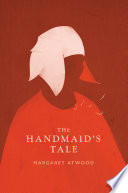
The Handmaid's Tale
Margaret Atwood
A dystopian novel examining gender, power, and social control. The narrative critiques systemic oppression and challenges normative social structures. Like True Blood, the book uses speculative fiction to explore difference and marginalization. Atwood's work reveals how social systems regulate and suppress individual identities.
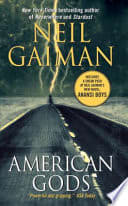
American Gods
Neil Gaiman
A novel that blends mythology, supernatural elements, and social commentary. The story explores the tensions between old and new gods in America, examining themes of identity, migration, and cultural transformation. Gaiman's work, like True Blood, deconstructs traditional narratives about belonging and difference. The supernatural serves as a metaphor for complex social dynamics.
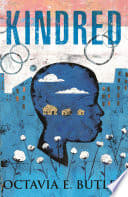
Kindred
Octavia Butler
A science fiction novel that explores race, identity, and historical trauma. The protagonist travels through time, confronting slavery's legacy and systemic oppression. Butler's narrative, similar to True Blood, uses speculative elements to examine social differences and power structures. The book critically analyzes marginalization and social transformation.
The Left Hand of Darkness
Ursula K. Le Guin
A science fiction novel exploring gender, identity, and cultural difference. The narrative challenges binary concepts of sexuality and social organization. Le Guin's work, like True Blood, deconstructs normative identity categories. The book presents a nuanced exploration of difference and social complexity.
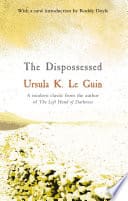
The Dispossessed
Ursula K. Le Guin
A science fiction novel exploring political systems and social organization. The narrative critiques normative social structures and imagines alternative communities. Le Guin's work, similar to True Blood, examines difference and social transformation. The book challenges established concepts of belonging.
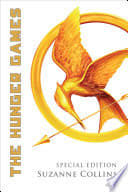
The Hunger Games
Suzanne Collins
A dystopian novel that critiques social hierarchies and systemic oppression. The narrative follows Katniss Everdeen, who challenges a discriminatory political system. Like True Blood, the book explores power dynamics, marginalization, and resistance. The story uses speculative fiction to examine social and political differences.
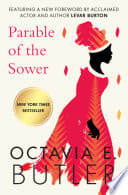
Parable of the Sower
Octavia Butler
A dystopian novel exploring social transformation and community building. The protagonist creates a new social philosophy in a fractured world. Butler's narrative, similar to True Blood, examines difference and adaptation. The book critiques existing social structures and imagines alternative forms of belonging.
Lilith's Brood
Octavia Butler
A science fiction trilogy exploring genetic transformation and intercultural dynamics. The narrative examines hybrid identities and social adaptation. Butler's work, like True Blood, deconstructs traditional boundaries of difference. The book presents complex interactions between diverse beings.

Neuromancer
William Gibson
A cyberpunk novel that reimagines identity in a technologically transformed world. The narrative explores marginalized characters navigating complex social systems. Gibson's work, like True Blood, deconstructs traditional boundaries of identity and difference. The novel challenges normative concepts of humanity and social integration.
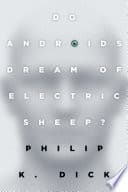
Blade Runner
Philip K. Dick
A science fiction novel exploring artificial intelligence and human identity. The narrative challenges definitions of humanity and social belonging. Dick's work, similar to True Blood, examines marginalization and difference. The book critiques systems that define and control identity.
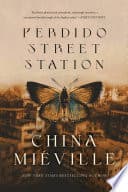
Perdido Street Station
China Miéville
A complex fantasy novel set in a bizarre, multicultural city. The narrative explores diversity, transformation, and social complexity. Miéville's work, like True Blood, deconstructs traditional boundaries of identity. The book features hybrid characters challenging normative social categories.
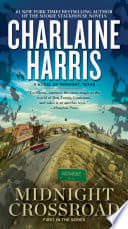
Midnight Crossroad
Charlaine Harris
A supernatural mystery set in a small Texas town featuring diverse supernatural characters. The novel explores themes of community, difference, and social integration. Characters with unique backgrounds and supernatural abilities navigate complex social dynamics. Harris creates a rich narrative that examines marginalized identities and their interactions with mainstream society.
No account connected — sign in to comment.