
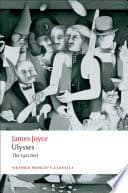
Ulysses, one of the greatest novels of the twentieth century, has had a profound influence on modern fiction. In a series of episodes covering the course of a single day, 16 June 1904, the novel traces the movements of Leopold Bloom and Stephen Dedalus through the streets of Dublin. Each episode has its own literary style, and the epic journey of Odysseus is only one of many correspondencies that add layers of meaning to the text. Ulysses has been the subject of controversy since copies of the first English edition were burned by the New York Post Office Authorities. Today critical interest centres on the authority of the text, and this edition, complete with an invaluable Introduction, notes, and appendices, republishes for the first time, without interference, the original 1922 text. ABOUT THE SERIES: For over 100 years Oxford World's Classics has made available the widest range of literature from around the globe. Each affordable volume reflects Oxford's commitment to scholarship, providing the most accurate text plus a wealth of other valuable features, including expert introductions by leading authorities, helpful notes to clarify the text, up-to-date bibliographies for further study, and much more.
Average Rating
Informations
About the author
James Joyce
Author
James Augustine Aloysius Joyce was an Irish novelist, poet, and literary critic. He contributed to the modernist movement and is regarded among the most influential and important writers of the 20th century. Joyce's novel Ulysses (1922) is a landmark in which the episodes of Homer's Odyssey are paralleled in a variety of literary styles, particularly stream of consciousness. Other well-known works are the short-story collection Dubliners (1914) and the novels A Portrait of the Artist as a Young Man (1916) and Finnegans Wake (1939). His other writings include three books of poetry, a play, letters, and occasional journalism.
Ulysses
by James Joyce
Books Like Ulysses
If you're looking for books similar to Ulysses, here are some recommendations based on themes, tone, and narrative style.
In Search of Lost Time
Marcel Proust
A monumental work of modernist literature that explores memory, time, and consciousness through intricate narrative techniques. Similar to Ulysses, it challenges traditional narrative structures and delves deeply into human perception and experience. The novel follows the narrator's reflections on life, art, and memory across multiple volumes. Its complex prose and psychological insights make it a profound exploration of inner life.
Mrs. Dalloway
Virginia Woolf
A groundbreaking modernist novel that explores a single day in the life of Clarissa Dalloway in post-World War I London. Like Ulysses, it uses stream of consciousness technique to delve deep into characters' inner thoughts and experiences. The novel weaves together multiple perspectives and explores themes of mental health, social constraints, and the complexity of human consciousness. Its innovative narrative style and psychological depth make it a compelling companion to Joyce's work.
To the Lighthouse
Virginia Woolf
A modernist novel that explores the inner lives of characters through a sophisticated narrative technique. Like Ulysses, it focuses on psychological depth and uses innovative storytelling methods. The novel examines family dynamics, time, and memory across different perspectives. Its lyrical prose and introspective approach offer a profound meditation on human experience.

The Sound and the Fury
William Faulkner
A landmark modernist novel that uses experimental narrative techniques to explore the decline of a Southern family. Like Ulysses, it employs stream of consciousness and multiple perspectives to reveal complex inner worlds. The novel deconstructs traditional storytelling through fragmented narratives and shifting viewpoints. Its innovative style and deep psychological exploration make it a significant work of 20th-century literature.

Pale Fire
Vladimir Nabokov
An innovative novel that challenges traditional narrative structures through a complex interplay of text and commentary. Like Ulysses, it employs experimental techniques to explore storytelling and perception. The novel is structured as a poem with an extensive, increasingly unreliable commentary. Its metafictional approach and linguistic playfulness make it a fascinating exploration of narrative.
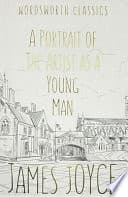
A Portrait of the Artist as a Young Man
James Joyce
Joyce's semi-autobiographical novel that precedes Ulysses, exploring the intellectual and artistic development of Stephen Dedalus. It uses similar stream of consciousness techniques and focuses on personal growth and artistic awakening. The novel traces the protagonist's evolving consciousness and rejection of traditional social and religious constraints. Its innovative style and psychological depth make it a crucial precursor to Ulysses.
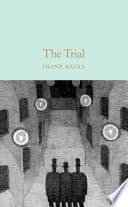
The Trial
Franz Kafka
A surreal novel that explores bureaucracy, alienation, and individual experience through a nightmarish narrative. Similar to Ulysses, it challenges traditional storytelling and delves into psychological complexity. The novel follows Josef K. through an absurd legal process that defies logical explanation. Its exploration of individual consciousness and societal structures makes it a profound modernist work.
The Man Without Qualities
Robert Musil
A monumental modernist novel that explores the intellectual and social landscape of early 20th-century Austria. Similar to Ulysses, it uses complex narrative techniques to examine human consciousness and societal structures. The novel follows protagonist Ulrich as he navigates a world of intellectual and philosophical challenges. Its philosophical depth and experimental style make it a significant work of modernist literature.
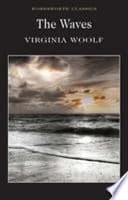
The Waves
Virginia Woolf
A highly experimental novel that uses poetic prose to explore consciousness and human experience. Similar to Ulysses, it breaks traditional narrative conventions through innovative storytelling. The novel follows six characters through their lives, using a unique stream of consciousness technique. Its lyrical language and deep psychological insights create a profound meditation on identity and interconnectedness.
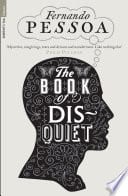
The Book of Disquiet
Fernando Pessoa
A fragmentary, introspective work that explores inner consciousness through a series of reflective passages. Similar to Ulysses, it challenges traditional narrative structures and delves deep into psychological experience. The book presents the inner world of a fictional bookkeeper through a series of philosophical and poetic fragments. Its exploration of consciousness and identity makes it a compelling modernist text.
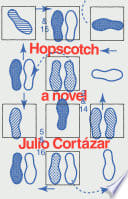
Hopscotch
Julio Cortázar
An experimental novel that offers multiple reading paths, challenging traditional narrative structures. Like Ulysses, it explores consciousness and perception through innovative storytelling techniques. The novel can be read in different sequences, creating a unique reading experience. Its playful approach to narrative and deep psychological insights make it a significant work of experimental literature.
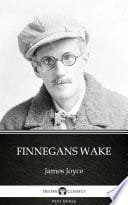
Finnegans Wake
James Joyce
Joyce's most experimental work, pushing linguistic boundaries even further than Ulysses. It is a complex, multilayered text that explores language, history, and human consciousness through intricate wordplay and stream of consciousness. The novel creates a circular narrative that defies traditional storytelling conventions. Its linguistic complexity and innovative approach make it a challenging but rewarding companion to Ulysses.
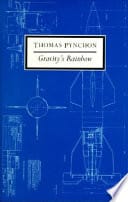
Gravity's Rainbow
Thomas Pynchon
A complex postmodern novel that, like Ulysses, challenges traditional narrative structures. It explores themes of technology, war, and human consciousness through a dense, multilayered narrative. The novel follows multiple characters during and after World War II, using intricate linguistic and structural techniques. Its complexity and innovative approach make it a significant work of experimental literature.
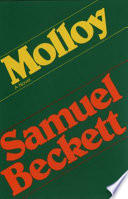
Molloy
Samuel Beckett
A modernist novel that, like Ulysses, pushes the boundaries of narrative and language. It explores themes of existentialism, identity, and human experience through a fragmented, challenging narrative. The novel follows two characters in seemingly disconnected but thematically linked sections. Its experimental style and philosophical depth make it a significant work of 20th-century literature.
No account connected — sign in to comment.