
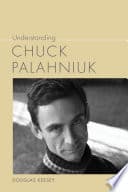
An introduction to the fictions of the Fight Club author, who is both loved and loathed Ever since his first novel, Fight Club, was made into a cult film by David Fincher, Chuck Palahniuk has been a consistent presence on the New York Times best-seller list. A target of critics but a fan favorite, Palahniuk has been loathed and loved in equal measure for his dark humor, edgy topics, and confrontational writing style. In close readings of Fight Club and the thirteen novels that this controversial author has published since, Douglas Keesey argues that Palahniuk is much more than a "shock jock" engaged in mere sensationalism. His visceral depictions of sex and violence have social, psychological, and religious significance. Keesey takes issue with reviewers who accuse Palahniuk of being an angry nihilist and a misanthrope, showing instead that he is really a romantic at heart and a believer in community. In this first comprehensive introduction to Palahniuk's fiction, Keesey reveals how this writer's outrageous narratives are actually rooted in his own personal experiences, how his seemingly unprecedented works are part of the American literary tradition of protagonists in search of an identity, and how his negative energy is really social satire directed at specific ills that he diagnoses and wishes to cure. After tracing the influence of his working-class background, his journalistic education, and his training as a "minimalist" writer, Understanding Chuck Palahniuk exposes connections between the writer's novels by grouping them thematically: the struggle for identity (Fight Club, Invisible Monsters, Survivor, Choke); the horror trilogy (Lullaby, Diary, Haunted); teen terrors (Rant, Pygmy); porn bodies and romantic myths (Snuff, Tell-All, Beautiful You); and a decidedly unorthodox revision of Dante's Divine Comedy (Damned, Doomed). Drawing on numerous author interviews and written in an engaging and accessible style, Understanding Chuck Palahniuk should appeal to scholars, students, and fans alike.
Average Rating
Informations
About the author
Douglas Keesey
Author
Understanding Chuck Palahniuk
by Douglas Keesey
Books Like Understanding Chuck Palahniuk
If you're looking for books similar to Understanding Chuck Palahniuk, here are some recommendations based on themes, tone, and narrative style.
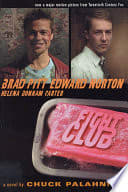
Fight Club
Chuck Palahniuk
A groundbreaking novel about masculinity, consumerism, and identity crisis. The narrator, struggling with modern life, creates an underground fight club that evolves into a radical anti-establishment movement. Palahniuk's raw, minimalist writing style explores themes of alienation and societal rebellion. The book deconstructs male identity and challenges conventional social norms through its provocative narrative.
American Psycho
Bret Easton Ellis
A dark satirical novel about a Wall Street investment banker who leads a double life as a serial killer. The book critiques 1980s consumer culture and toxic masculinity through its graphic and disturbing narrative. Ellis uses extreme violence and dark humor to expose the emptiness of materialistic society. The protagonist represents a profound psychological breakdown of modern identity.
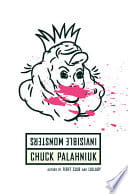
Invisible Monsters
Chuck Palahniuk
A transgressive novel about identity, beauty, and social transformation. The story follows a disfigured former model who embarks on a chaotic journey with a transgender friend. Palahniuk deconstructs traditional narratives of beauty, gender, and personal reinvention. The novel challenges readers' perceptions through its non-linear storytelling.
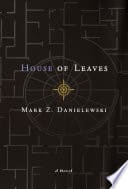
House of Leaves
Mark Z. Danielewski
An experimental novel that challenges traditional narrative structures. The book explores a house that is larger on the inside than the outside, creating a complex meditation on perception and reality. Danielewski uses unconventional typography and multiple narrative layers to examine psychological disorientation.
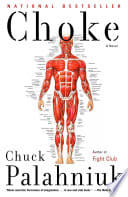
Choke
Chuck Palahniuk
A provocative novel about a sex-addicted medical school dropout who deliberately chokes in restaurants to scam people. The protagonist explores complex psychological themes of identity, childhood trauma, and human connection. Palahniuk uses dark humor to examine societal dysfunction and personal redemption.
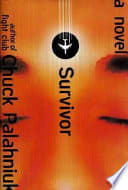
Survivor
Chuck Palahniuk
A dark comedy about a cult survivor who becomes a media sensation and celebrity. The novel follows Tender Branson, the last surviving member of a suicide cult, who narrates his life story while flying a hijacked plane. Palahniuk explores themes of media manipulation, religious fanaticism, and personal identity through a sardonic lens.
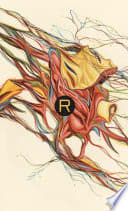
Rant
Chuck Palahniuk
A science fiction novel about a mysterious protagonist who becomes a cultural phenomenon. The book explores themes of urban mythology, time travel, and social rebellion. Palahniuk uses a fragmented narrative style to challenge traditional storytelling.
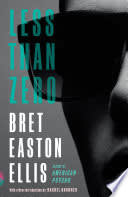
Less Than Zero
Bret Easton Ellis
A nihilistic exploration of wealthy Los Angeles youth culture in the 1980s. The protagonist, Clay, returns from college to a world of emotional detachment, drug use, and moral bankruptcy. Ellis portrays a generation lost in consumerism and emotional emptiness. The novel's minimalist style reflects the characters' spiritual and emotional void.
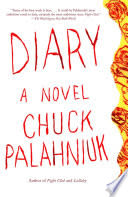
Diary
Chuck Palahniuk
A psychological thriller about an artist trapped in a mysterious island community. The novel explores themes of creativity, manipulation, and supernatural revenge. Palahniuk blends dark humor with horror elements to critique artistic exploitation and personal agency.
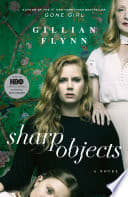
Sharp Objects
Gillian Flynn
A psychological thriller about a journalist investigating a murder in her hometown. Flynn explores dark family dynamics, personal trauma, and small-town secrets. The novel uses a complex narrative to examine psychological manipulation and hidden violence.
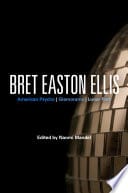
Glamorama
Bret Easton Ellis
A postmodern novel blending celebrity culture with terrorism and identity fragmentation. The story follows a male model who becomes entangled in an international terrorist plot. Ellis deconstructs media culture, celebrity worship, and personal identity through a surreal and violent narrative.
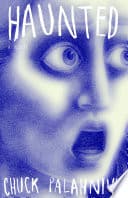
Haunted
Chuck Palahniuk
A dark, interconnected collection of stories about a group of writers on a retreat that turns horrifically wrong. Palahniuk explores extreme human behaviors, psychological breakdowns, and the dark side of creativity. The novel uses graphic and shocking narratives to examine human nature.
The Transggressors
Michael Bowen
A satirical novel exploring social boundaries and moral ambiguity. The story follows characters who challenge societal norms through provocative actions. Bowen uses dark humor and complex characters to examine human psychology and social constraints.
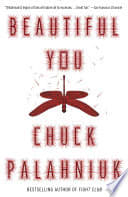
Beautiful You
Chuck Palahniuk
A satirical novel about consumer culture, sexuality, and technological control. The story explores a world transformed by a revolutionary line of personal pleasure devices. Palahniuk uses dark humor to critique consumer behavior and technological dependency.
No account connected — sign in to comment.