
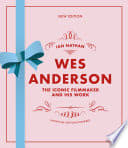
This new and updated edition covers the full life's work of iconic director Wes Anderson, including Asteroid City, The French Dispatch, and his collection of four short films for Netflix. Loaded with rich imagery and detailed analysis of his incredible films – including the classics The Grand Budapest Hotel, Rushmore, The Royal Tenenbaums, and The French Dispatch – this is the first book to feature all of Wes Anderson's movies in a single volume. Acclaimed film journalist Ian Nathan provides an intelligent and thoughtful examination of the work of one of contemporary film’s greatest visionaries, charting the themes, visuals, and narratives that have come to define Anderson’s work and contributed to his films and idiosyncratic character that's adored by his loyal fans. From Anderson’s regular cast members – including Bill Murray and Owen Wilson – to his instantly recognisable aesthetic, recurring motifs and scriptwriting processes, this in-depth collection will reveal how Wes Anderson became one of modern cinema’s most esteemed and influential directors. Presented in a stunning slipcase, this new edition brings this book right up to date and will continue to delight all Wes Anderson devotees and movie lovers in general.
Average Rating
Informations
About the author
Ian Nathan
Author
Wes Anderson
by Ian Nathan
Books Like Wes Anderson
If you're looking for books similar to Wes Anderson, here are some recommendations based on themes, tone, and narrative style.
The Grand Budapest Hotel
Wes Anderson
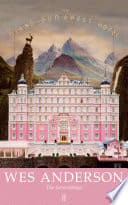
Anderson's screenplay that represents the pinnacle of his narrative and visual storytelling. The film follows a legendary concierge and his young protégé through a complex adventure in a fictional European country. It showcases Anderson's mastery of intricate plotting, visual symmetry, and character-driven comedy. The story explores themes of friendship, loyalty, and historical change.
The Royal Tenenbaums
Wes Anderson
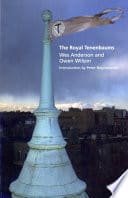
Anderson's seminal film script that epitomizes his storytelling approach. The screenplay follows a dysfunctional family of former child prodigies reuniting under one roof. It showcases Anderson's trademark blend of melancholy, humor, and intricate character development. The narrative explores themes of familial complexity, personal failure, and redemption through a distinctively stylized lens.
Moonrise Kingdom
Wes Anderson
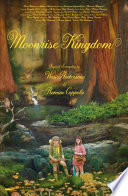
Another quintessential Anderson screenplay exploring young love and adolescent rebellion. The story follows two young protagonists who run away together, challenging social conventions and adult expectations. It demonstrates Anderson's ability to blend whimsy, emotional depth, and visual precision. The narrative captures the innocence and complexity of childhood relationships.
Fantastic Mr. Fox
Wes Anderson
Anderson's animated adaptation that translates his distinctive style to stop-motion. The film follows a clever fox outwitting farmers through elaborate heists. It showcases Anderson's ability to infuse whimsy and philosophical depth into seemingly simple narratives. The story explores themes of family, individuality, and survival.
Asteroid City
Wes Anderson
Anderson's most recent exploration of meta-narrative and visual storytelling. The film blends theatrical performance with a science fiction narrative set in a desert town. It showcases Anderson's continued evolution of narrative complexity and visual style. The story explores themes of connection, performance, and existential uncertainty.
The Cinema of Wes Anderson
James Mottram
A comprehensive exploration of Wes Anderson's unique cinematic style and artistic vision. The book delves into Anderson's distinctive visual aesthetic, narrative techniques, and recurring themes. It provides an in-depth analysis of his filmography, examining the intricate details that make his work so recognizable. Mottram offers insights into Anderson's creative process and the cultural impact of his films.
Rushmore
Wes Anderson
Anderson's breakthrough film that established his unique cinematic voice. The screenplay follows an eccentric high school student's complex relationships and ambitious pursuits. It demonstrates Anderson's early exploration of outsider characters and their intricate emotional landscapes. The narrative blends comedy, drama, and a distinctive visual style.
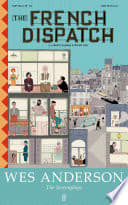
The French Dispatch
Wes Anderson
Anderson's love letter to journalism and storytelling. The film presents a series of interconnected stories from a fictional magazine's final issue. It demonstrates Anderson's complex narrative structures and visual inventiveness. The screenplay explores themes of creativity, observation, and human connection.
Symmetry in Cinema
Laura Mulvey
A critical examination of visual symmetry in film composition. The book explores how directors use visual balance to create meaning. It provides theoretical context for understanding Anderson's distinctive visual style. Mulvey offers insights into the psychological and aesthetic implications of cinematic framing.
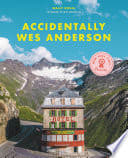
Accidentally Wes Anderson
Wally Koval
A photographic journey celebrating spaces and locations that unintentionally mirror Wes Anderson's distinctive visual style. The book showcases real-world locations with symmetrical compositions, pastel color palettes, and quirky architectural details. It explores how Anderson's aesthetic has influenced global perception of design and visual storytelling. Koval's collection reveals the beauty of unexpected Anderson-like environments around the world.
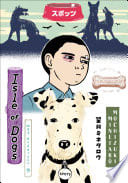
Isle of Dogs
Wes Anderson
Another stop-motion animated film showcasing Anderson's unique storytelling approach. The narrative follows a pack of dogs in a dystopian Japanese city. It explores themes of friendship, political oppression, and survival. Anderson's meticulous visual design and emotional depth are prominently displayed.
The Art of Framing
David Bordwell
An in-depth analysis of visual composition in cinema. The book explores how directors use visual framing to communicate narrative and emotional content. It provides insights into techniques similar to Anderson's meticulous visual approach. Bordwell examines the relationship between visual design and storytelling.
Cinema Studies: Auteur Theory
Robert Stam
A comprehensive exploration of director-driven filmmaking approaches. The book provides critical insights into how directors like Anderson develop distinctive cinematic languages. It examines the relationship between personal vision and broader film traditions. Stam offers a scholarly perspective on understanding unique directorial styles.
Quirk: Creative Storytelling
Greg Beato
An exploration of unconventional narrative approaches in contemporary media. The book examines how creators like Anderson develop unique storytelling methods. It provides context for understanding innovative narrative techniques. Beato analyzes the cultural impact of distinctive creative voices.
No account connected — sign in to comment.