
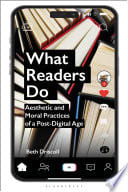
Shining a spotlight on everyday readers of the 21st century, Beth Driscoll explores how contemporary readers of Anglophone fiction interact with the book industry, digital environments, and each other. We live in an era when book clubs, bibliomemoirs, Bookstagram and BookTok are as valuable to some readers as solitary reading moments. The product of nearly two decades of qualitative research into readers and reading culture, What Readers Do examines reading through three dimensions - aesthetic conduct, moral conduct, and self-care – to show how readers intertwine private and social behaviors, and both reinforce and oppose the structures of capitalism. Analyzing reading as a post-digital practice that is a synthesis of both print and digital modes and on- and offline behaviors, Driscoll presents a methodology for studying readers that connects book history, literary studies, sociology, and actor-network theory. Arguing for the vitality, agency, and creativity of readers, this book sheds light on how we read now - and on how much more readers do than just read.
Average Rating
Informations
About the author
Beth Driscoll
Author
researcher
What Readers Do
by Beth Driscoll
Books Like What Readers Do
If you're looking for books similar to What Readers Do, here are some recommendations based on themes, tone, and narrative style.
Reading Lolita in Tehran
Azar Nafisi
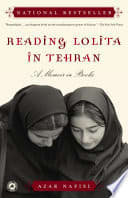
A powerful memoir about a group of women in Iran who secretly meet to discuss forbidden Western literature. Nafisi explores how reading becomes an act of resistance and personal freedom in a restrictive society. The book demonstrates the social and personal transformative power of reading, echoing Driscoll's examination of reading as both a personal and collective experience. It provides a compelling narrative about the deeper meanings of reading beyond mere consumption.
How to Read Literature Like a Professor
Thomas C. Foster
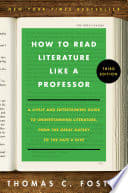
A guide to understanding deeper literary meanings and interpretive strategies. Foster teaches readers how to engage more critically and meaningfully with texts across various genres. The book provides tools for more sophisticated reading practices, aligning with Driscoll's interest in readers' active engagement with literature. It demonstrates how reading is an interpretive and creative act.
Proust and the Squid
Maryanne Wolf
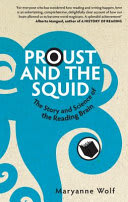
A fascinating investigation into the history and science of reading and the human brain. Wolf explores how reading transforms the human brain and how different cultures and technologies have shaped reading practices. The book provides a deep neurological perspective on how humans learn to read and interpret text. It complements Driscoll's sociological approach by offering insights into the cognitive dimensions of reading.
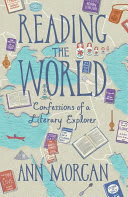
Reading the World
Ann Morgan
A global exploration of reading practices across different cultures and literary traditions. Morgan investigates how readers from various backgrounds engage with literature and interpret texts. The book provides a multicultural perspective on reading, expanding on Driscoll's examination of contemporary reading practices. It demonstrates the diverse ways readers connect with and understand literature.
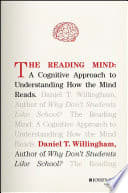
The Reading Mind
Daniel T. Willingham
A cognitive psychologist explores the science behind reading and how our brains process literature. The book delves into the complex mental processes that occur when we read, examining comprehension, memory, and learning. Willingham breaks down the cognitive mechanisms that make reading possible, offering insights into how readers think and interact with text. This scientific approach complements Driscoll's research on reading practices and reader behavior.
Book Smart
Janice Radway
A groundbreaking study of reading practices and book consumption in contemporary culture. Radway investigates how readers select, interpret, and engage with books in various social contexts. The research explores the complex relationships between readers, books, and cultural institutions. Her work provides a sociological perspective that closely aligns with Driscoll's approach to understanding modern reading behaviors.
The Readers' Advisory Guide to Genre Blends
Becky Spratford
An exploration of how readers navigate complex literary genres and hybrid storytelling. Spratford examines how contemporary readers engage with increasingly sophisticated and interconnected literary forms. The book provides insights into reader preferences, genre expectations, and the evolving landscape of literary consumption. It aligns with Driscoll's interest in understanding modern reading practices across different platforms and contexts.
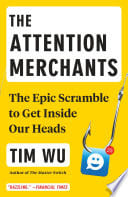
The Attention Merchants
Tim Wu
An exploration of how media and technology compete for human attention in the digital age. Wu examines the economic and psychological mechanisms that shape our reading and media consumption. The book provides critical insights into how digital platforms influence reading practices, complementing Driscoll's analysis of post-digital reading experiences. It offers a broader context for understanding contemporary reading behaviors.
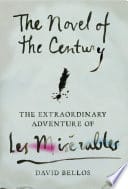
The Novel of the Century
David Bellos
An in-depth exploration of Victor Hugo's Les Misérables and its cultural significance. Bellos examines how a single novel can reflect broader social dynamics and reader engagement. The book provides a comprehensive look at how literature interacts with social contexts, mirroring Driscoll's interest in reading as a complex social practice. It offers insights into how readers connect with and interpret significant literary works.
The Sociology of Literature
Maurice Mourier
A comprehensive examination of literature as a social practice and cultural phenomenon. Mourier explores how literary works are produced, distributed, and consumed within specific social contexts. The book provides theoretical frameworks for understanding literature's role in society, closely matching Driscoll's interdisciplinary approach. It offers insights into the complex relationships between readers, writers, and cultural institutions.
No account connected — sign in to comment.