
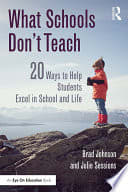
Are we adequately preparing students for life beyond school doors? Schools teach students not to be competitive and never to fail. Yet in the real world, people compete for jobs, and they often fail many times before reaching success. In this thought-provoking book, authors Johnson and Sessions describe 20 skills that are overlooked in schools and in educational standards but that are crucial to real-world success. They describe how you can develop these skills in your students, no matter what subject area or grade level you teach. You’ll learn how to promote leadership; allow competition; encourage meaningful engagement; help students find their voice; incorporate edutainment and pop culture; motivate towards excellence hold students accountable and responsible; foster perseverance and the ability to learn from failure; teach effective communication; and much more! Each chapter includes insightful research, thought-provoking stories, and practical strategies that you can take back to your own classroom.
Average Rating
Informations
About the author
Brad Johnson, Julie Sessions
Author
What Schools Don't Teach
by Brad Johnson, Julie Sessions
Books Like What Schools Don't Teach
If you're looking for books similar to What Schools Don't Teach, here are some recommendations based on themes, tone, and narrative style.
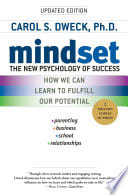
Mindset: The New Psychology of Success
Carol Dweck
Explores how our mindset fundamentally impacts learning and achievement. Dweck reveals the power of a growth mindset in education, showing how students can develop resilience and embrace challenges. The book provides insights into how educators and parents can foster a learning environment that encourages personal development and continuous improvement. It directly addresses the importance of learning from failure and developing a positive approach to challenges.
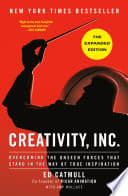
Creativity, Inc.
Ed Catmull
Explores the creative process and building a culture of innovation, drawing from Pixar's experiences. Catmull shares insights into fostering creativity, overcoming barriers, and encouraging continuous learning. The book provides valuable lessons on creating environments that support personal and professional growth. It emphasizes the importance of embracing failure as a learning opportunity.
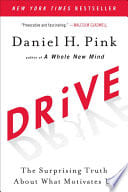
Drive: The Surprising Truth About What Motivates Us
Daniel Pink
Examines the science of motivation and how traditional reward systems fail in modern contexts. Pink argues that autonomy, mastery, and purpose are key drivers of human performance. The book offers profound insights into how to motivate students and workers beyond simple external rewards. It challenges traditional educational approaches and provides a framework for understanding intrinsic motivation.
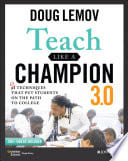
Teach Like a Champion
Doug Lemov
Offers practical teaching techniques that go beyond traditional educational methods. Lemov provides a comprehensive toolkit for educators to enhance classroom engagement and student performance. The book breaks down specific strategies that can transform teaching and learning experiences. It focuses on actionable techniques that help students develop critical skills often missed in standard curriculum.
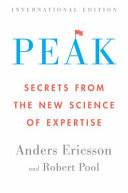
Peak: Secrets from the New Science of Expertise
Anders Ericsson
Examines how individuals develop extraordinary skills through deliberate practice. Ericsson challenges the notion of innate talent and demonstrates how targeted, focused learning can lead to mastery. The book provides a scientific approach to skill development and learning strategies. It offers valuable insights into how people can continuously improve their abilities.
Grit: The Power of Passion and Perseverance
Angela Duckworth
Investigates the critical role of perseverance in achieving long-term goals. Duckworth demonstrates how sustained effort and passion are more important than innate talent. The book provides strategies for developing resilience and commitment, directly addressing the skills schools often overlook. It offers practical advice for educators and students on building mental toughness and achieving success.
The Element: How Finding Your Passion Changes Everything
Ken Robinson
Explores the importance of discovering and nurturing individual talents and passions. Robinson argues that traditional education often suppresses creativity and individual potential. The book provides inspiring stories of people who found their true calling by breaking free from conventional educational constraints. It emphasizes the need for personalized learning and recognizing diverse forms of intelligence.
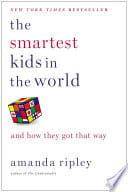
The Smartest Kids in the World
Amanda Ripley
A journalistic exploration of education systems around the world, comparing different approaches to learning and student development. Ripley follows students in different countries to understand what makes some educational systems more successful than others. The book critically examines teaching methods, cultural attitudes towards education, and skills that contribute to student success. It provides a global perspective on educational challenges and opportunities.
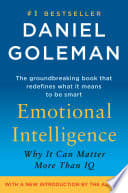
Emotional Intelligence
Daniel Goleman
Introduces the concept of emotional intelligence and its critical role in personal and professional success. Goleman explains how self-awareness, empathy, and social skills are as important as traditional academic intelligence. The book provides insights into developing emotional competencies that are rarely taught in schools. It offers strategies for understanding and managing emotions effectively.
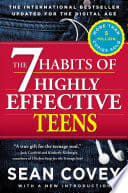
The 7 Habits of Highly Effective Teens
Sean Covey
A practical guide for teenagers to develop personal and interpersonal effectiveness. Covey adapts his father's principles for a younger audience, providing actionable advice for personal development. The book covers critical life skills such as goal setting, communication, and personal responsibility. It offers a roadmap for teens to navigate challenges and build successful habits.
No account connected — sign in to comment.