
A lighthearted pop history of the diets of celebrities and famous historical figures shares whimsical anecdotes, including Angelina Jolie's consumption of roaches and Lord Byron's vinegar weight-loss regime.
4.2/5
Average Rating
Informations
Genre
Biography & Autobiography
Published01 janvier 2010
Recommendations14
About the author
Matthew Jacob, Mark Jacob
Author
What the Great Ate
by Matthew Jacob, Mark Jacob
Biography & Autobiography
Books Like What the Great Ate
If you're looking for books similar to What the Great Ate, here are some recommendations based on themes, tone, and narrative style.
Top 1
92%
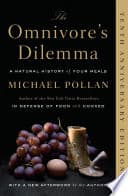
The Omnivore's Dilemma
Michael Pollan
A deep dive into food systems and human eating habits, exploring the complex relationships between food production and consumption. Pollan examines various food chains and their cultural implications. The book offers a more serious but equally fascinating look at food choices, complementing the main book's lighthearted approach.
Top 2
90%
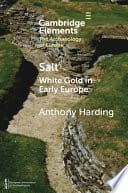
Salt: A World History
Mark Kurlansky
A fascinating exploration of salt's impact on human civilization, revealing how this common mineral shaped economies, cultures, and culinary traditions. Kurlansky provides engaging historical anecdotes about food, trade, and cultural practices. The book offers similar quirky historical insights into everyday substances, much like the main book's approach to celebrity diets.
Top 3
90%
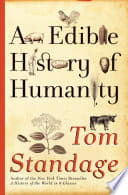
An Edible History of Humanity
Tom Standage
A comprehensive look at how food has driven human history, exploring how agricultural and culinary developments have shaped civilization. Standage provides fascinating insights into the role of food in human progress. The book's engaging narrative style complements the main book's approach to exploring dietary curiosities.
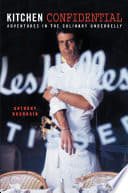
88%
Kitchen Confidential
Anthony Bourdain
An insider's look at the restaurant world, filled with candid and humorous stories about food culture. Bourdain reveals behind-the-scenes secrets of professional cooking with sharp wit and personal anecdotes. The book's irreverent tone and insider perspective make it a compelling companion to the main book's exploration of unusual eating habits.
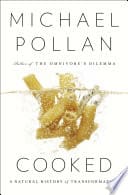
88%
Cooked
Michael Pollan
An exploration of cooking as a fundamental human activity, examining how different cooking methods have shaped human culture. Pollan provides deep insights into the cultural and scientific aspects of food preparation. The book's comprehensive approach to understanding food complements the main book's lighthearted exploration.
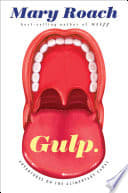
86%
Gulp: Adventures on the Alimentary Canal
Mary Roach
A humorous and scientifically detailed journey through the human digestive system. Roach explores bizarre food-related topics with wit and curiosity. The book shares the same lighthearted approach to unusual food facts and historical trivia as the main book, making it an entertaining read for those interested in quirky culinary stories.
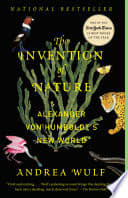
86%
The Invention of Nature
Andrea Wulf
A biography of Alexander von Humboldt that explores his groundbreaking scientific discoveries and cultural observations. Wulf reveals how Humboldt's travels and research transformed our understanding of the natural world. The book's narrative style of uncovering fascinating historical details resonates with the main book's approach.
86%
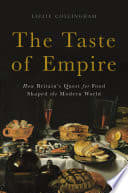
The Taste of Empire
Lizzie Collingham
A historical exploration of how food shaped global colonization and cultural exchanges. Collingham reveals how culinary practices influenced and were influenced by imperial expansion. The book's focus on food's cultural significance aligns with the main book's interest in unusual dietary stories.
84%
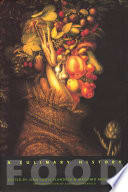
Food: A Culinary History
Jean-Louis Flandrin
A comprehensive exploration of food history from prehistoric times to the modern era. The book provides deep insights into how food has shaped human civilization and culture. Its scholarly approach complements the main book's lighthearted exploration of dietary habits.
84%
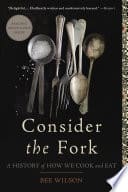
Consider the Fork
Bee Wilson
A history of how cooking technologies have shaped human eating habits. Wilson explores the evolution of kitchen tools and cooking methods with wit and scholarly insight. The book's focus on the cultural history of food aligns with the main book's approach to exploring unusual dietary practices.
82%
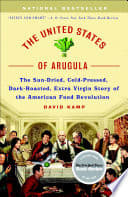
The United States of Arugula
David Kamp
An entertaining history of American food culture, tracing the evolution of culinary trends and celebrity chefs. Kamp provides insider stories about food personalities and cultural shifts in dining. The book's witty narrative style and focus on food-related stories align closely with the main book's approach to exploring unusual dietary habits.
82%
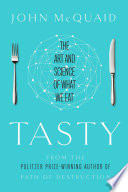
Tasty
John McQuaid
An exploration of the science of taste and how humans experience flavor. McQuaid delves into the biological and cultural aspects of eating, providing fascinating insights into human dietary preferences. The book's scientific yet engaging approach complements the main book's exploration of unusual eating habits.
80%
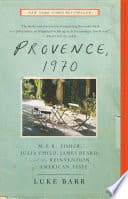
Strange Gourmets
Luke Barr
An exploration of unusual culinary practices and exotic food traditions around the world. Barr uncovers bizarre eating habits and cultural food rituals with engaging storytelling. The book's focus on unusual dietary practices mirrors the main book's interest in quirky food-related stories.
80%
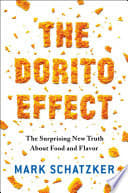
The Dorito Effect
Mark Schatzker
An investigation into how flavor technology has transformed modern eating habits. Schatzker explores the complex relationship between taste, nutrition, and food industry practices. The book's exploration of unusual food trends resonates with the main book's quirky approach to dietary stories.
No account connected — sign in to comment.