
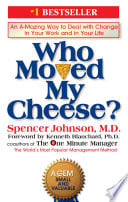
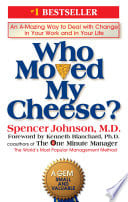
THE #1 INTERNATIONAL BESTSELLER WITH OVER 28 MILLION COPIES IN PRINT! A timeless business classic, Who Moved My Cheese? uses a simple parable to reveal profound truths about dealing with change so that you can enjoy less stress and more success in your work and in your life. It would be all so easy if you had a map to the Maze. If the same old routines worked. If they'd just stop moving "The Cheese." But things keep changing... Most people are fearful of change, both personal and professional, because they don't have any control over how or when it happens to them. Since change happens either to the individual or by the individual, Dr. Spencer Johnson, the coauthor of the multimillion bestseller The One Minute Manager, uses a deceptively simple story to show that when it comes to living in a rapidly changing world, what matters most is your attitude. Exploring a simple way to take the fear and anxiety out of managing the future, Who Moved My Cheese? can help you discover how to anticipate, acknowledge, and accept change in order to have a positive impact on your job, your relationships, and every aspect of your life.
Average Rating
Informations
About the author
Spencer Johnson
Author
Spencer Johnson may refer to:Spencer Johnson, American football defensive tackle Spencer Johnson (cricketer), Australian cricketer Spencer Johnson (soccer), American soccer midfielder Spencer Johnson (writer) (1938–2017), American author, speaker, and management consultant
Who Moved My Cheese?
by Spencer Johnson
Books Like Who Moved My Cheese?
If you're looking for books similar to Who Moved My Cheese?, here are some recommendations based on themes, tone, and narrative style.
The 7 Habits of Highly Effective People
Stephen Covey
A groundbreaking personal development book that offers a holistic approach to personal and professional change. It provides a principle-centered framework for solving personal and professional problems. The book emphasizes proactive behavior, goal setting, and continuous self-improvement. Like 'Who Moved My Cheese?', it offers practical wisdom for navigating life's challenges and adapting to change.
The Alchemist
Paulo Coelho
A philosophical novel about personal transformation and following one's dreams. The book follows a young shepherd's journey of self-discovery and adaptation. It emphasizes the importance of embracing change, listening to one's intuition, and being open to new opportunities. While more narrative-driven, it shares similar themes of personal growth and overcoming fear of the unknown.
Good to Great
Jim Collins
A research-based book exploring what makes companies successfully transform and excel. It identifies key principles that help organizations adapt and thrive in changing environments. The book provides strategic insights into managing change at an organizational level. Like 'Who Moved My Cheese?', it emphasizes the importance of adaptability and continuous improvement.
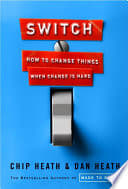
Switch: How to Change Things When Change Is Hard
Chip Heath
A comprehensive guide to understanding and implementing personal and organizational change. The book breaks down the psychology of change and provides practical strategies for overcoming resistance. It explores how to motivate people and create lasting transformation. Like 'Who Moved My Cheese?', it offers insights into human behavior during times of uncertainty and transition.
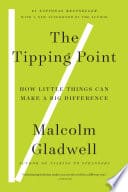
The Tipping Point
Malcolm Gladwell
A book exploring how small changes can create significant transformations in society and organizations. It examines the dynamics of change from a sociological perspective. The book provides insights into how ideas and behaviors spread and create meaningful shifts. Like 'Who Moved My Cheese?', it offers a unique perspective on understanding and navigating change.
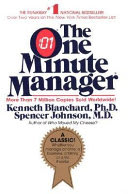
The One Minute Manager
Kenneth Blanchard
Another management parable by Spencer Johnson that offers simple, practical advice for effective leadership. The book provides concise strategies for managing people and achieving results quickly. Like 'Who Moved My Cheese?', it uses a straightforward storytelling approach to convey complex management concepts. It emphasizes the importance of adaptability and clear communication in professional settings.
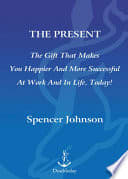
The Present
Spencer Johnson
Another parable by Spencer Johnson focusing on finding meaning and success in life. The book explores the importance of living in the present moment and adapting to change. It shares the storytelling style and transformative approach of 'Who Moved My Cheese?'. The narrative provides insights into personal growth and overcoming limiting beliefs.
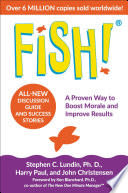
Fish!
Stephen C. Lundin
A business parable about transforming workplace culture and attitude. The book uses a storytelling approach similar to 'Who Moved My Cheese?' to illustrate how to create a more positive and engaging work environment. It teaches strategies for maintaining enthusiasm and finding joy in work, even during challenging times. The narrative style and focus on personal transformation make it a compelling read.
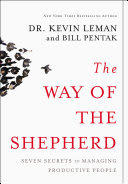
The Way of the Shepherd
Kevin Leman
A leadership parable that uses shepherding as a metaphor for effective management. The book offers insights into motivating and guiding people through change. It shares the storytelling approach of 'Who Moved My Cheese?' while providing practical leadership wisdom. The narrative explores how to lead with empathy and understanding during transitions.
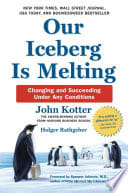
Our Iceberg Is Melting
John Kotter
A fable about dealing with change in an organizational context, using a penguin colony as a metaphor. The book illustrates how to successfully navigate significant transformations and overcome resistance to change. It provides a step-by-step approach to managing complex transitions, similar to the lessons in 'Who Moved My Cheese?'. The narrative style makes complex change management principles accessible and engaging.
Who Moved My Cheese? for Workers
Spencer Johnson
A workplace-focused version of the original book, specifically addressing professional change and career transitions. It provides targeted advice for employees navigating organizational shifts and personal career challenges. The book maintains the simplicity and powerful messaging of the original parable. It offers practical strategies for maintaining a positive attitude during professional uncertainties.
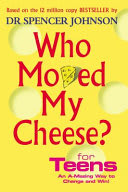
Who Moved My Cheese? for Teens
Spencer Johnson
An adaptation of the original book specifically designed for younger readers. It uses the same parable format to teach teenagers about handling change and uncertainty. The book provides valuable life lessons about adaptability, attitude, and personal growth. It maintains the simplicity and powerful message of the original work while addressing challenges specific to adolescence.

The Cheese Monkeys
Chip Kidd
A novel that, while different in genre, explores themes of creativity and personal transformation. Set in a design school, it follows a student's journey of self-discovery and challenging established norms. The book shares an underlying theme of adapting to new environments and perspectives. Its unconventional narrative approach resonates with the innovative spirit of 'Who Moved My Cheese?'
Who Moved My Cheese? for Families
Spencer Johnson
An adaptation of the original book tailored to family dynamics and personal relationships. It uses the familiar cheese metaphor to address changes within family structures. The book provides strategies for communication, understanding, and supporting each other during transitions. It maintains the core message of adaptability and positive attitude from the original work.
No account connected — sign in to comment.