
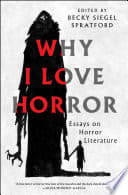
A captivating anthology and heartfelt tribute to the horror genre featuring essays from several of the most celebrated contemporary horror writers including, Grady Hendrix, Paul Tremblay, Stephen Graham Jones, Josh Malerman, Victor LaValle, Tananarive Due, and Rachel Harrison. For twenty-five years, Becky Siegel Spratford has worked as a librarian in Reader Advisory, training library workers all over the world on how to engage their patrons and readers, and to use her place as a horror expert and critic to get the word out to others; to bring even more readers into the horror fold. Why I Love Horror is a love letter to the horror genre from many of the most influential and bestselling authors in the industry.
4.5/5
Average Rating
Informations
Genre
Biography & Autobiography
Published23 septembre 2025
Recommendations14
About the author
Becky Siegel Spratford
Author
Why I Love Horror
by Becky Siegel Spratford
Biography & Autobiography
Books Like Why I Love Horror
If you're looking for books similar to Why I Love Horror, here are some recommendations based on themes, tone, and narrative style.
Top 1
88%
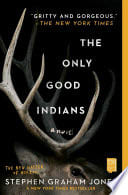
The Only Good Indians
Stephen Graham Jones
A powerful horror novel that weaves Indigenous identity with supernatural revenge. Four Native American men are haunted by a traumatic elk hunt from their past. Jones uses horror as a vehicle for cultural commentary and personal reckoning. The book demonstrates how horror can be a profound tool for exploring complex social and personal narratives.
Top 2
88%
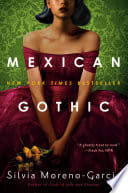
Mexican Gothic
Silvia Moreno-Garcia
A gothic horror novel set in 1950s Mexico, exploring colonialism, family secrets, and supernatural inheritance. The story follows a young woman investigating her cousin's mysterious illness in a decaying mansion. Moreno-Garcia reimagines gothic horror through a cultural lens. The narrative showcases horror's ability to explore complex historical and personal dynamics.
Top 3
86%
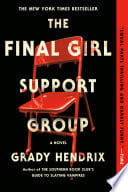
The Final Girl Support Group
Grady Hendrix
A metafictional horror novel that deconstructs classic slasher film tropes by following a group of survivors from infamous murder sprees. Hendrix explores trauma, survival, and the cultural impact of horror through a darkly comedic lens. The book celebrates horror's ability to process fear and resilience, much like the anthology's spirit. It offers a clever commentary on horror genre conventions while delivering a gripping narrative.
86%
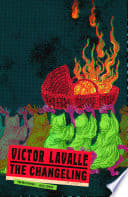
The Changeling
Victor LaValle
A dark fantasy horror novel blending folklore with contemporary urban experience. The story follows a new father confronting mysterious supernatural forces threatening his family. LaValle uses horror to explore themes of parenthood, race, and mythological transformation. The narrative demonstrates horror's capacity for deep emotional and social storytelling.
86%
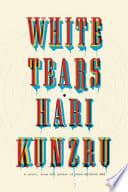
White Tears
Hari Kunzru
A horror novel blending music history, racial trauma, and supernatural revenge. The story follows two music enthusiasts confronting a dark historical legacy. Kunzru uses horror to explore cultural appropriation and historical violence. The book reveals horror's power for social and historical commentary.
84%
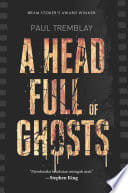
A Head Full of Ghosts
Paul Tremblay
A psychological horror novel about a family dealing with a potential demonic possession, blending reality TV drama with supernatural terror. The story examines the complex dynamics of family trauma and media exploitation. Tremblay's narrative challenges traditional horror storytelling, similar to the anthology's meta-approach. It provides a nuanced exploration of horror as a lens for understanding human experience.
84%
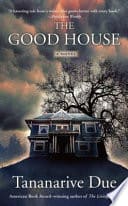
The Good House
Tananarive Due
A supernatural horror novel exploring generational trauma and ancestral power. The story centers on a woman confronting her family's mystical heritage and dark secrets. Due uses horror to examine African American experiences and familial connections. The book reveals horror's potential for profound cultural and personal exploration.
84%
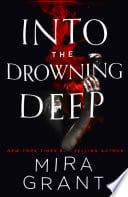
Into the Drowning Deep
Mira Grant
A scientific horror novel about a marine expedition encountering deadly mermaids. The story combines marine biology, adventure, and terrifying supernatural encounters. Grant uses horror to explore scientific exploration and ecological themes. The narrative showcases horror's capacity for intellectual and visceral storytelling.
84%
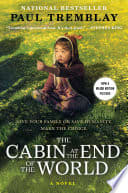
The Cabin at the End of the World
Paul Tremblay
A psychological horror novel about a family held hostage during an apocalyptic scenario. The story explores moral choices, sacrifice, and uncertain supernatural threats. Tremblay creates intense psychological tension examining human nature under extreme pressure. The narrative showcases horror's ability to probe complex ethical dilemmas.
82%
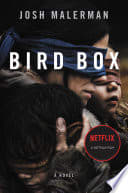
Bird Box
Josh Malerman
A post-apocalyptic horror novel where an unseen threat drives people to madness upon sight. The story follows a mother's desperate survival journey with her children. Malerman creates intense psychological horror that explores human survival and perception. The novel showcases horror's power to examine human resilience and fear of the unknown.
82%
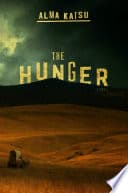
The Hunger
Alma Katsu
A historical horror novel reimagining the Donner Party's tragic journey with supernatural elements. Katsu blends meticulous historical research with chilling supernatural horror. The book explores human survival, desperation, and the thin line between civilization and savagery. It demonstrates horror's potential for reimagining historical narratives.
82%
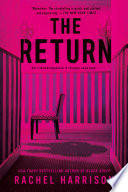
The Return
Rachel Harrison
A horror novel about friendship, loss, and mysterious supernatural transformation. The story follows a group of friends confronting a friend's unexplained disappearance and return. Harrison uses horror to explore complex emotional landscapes. The book demonstrates horror's potential for examining personal relationships and identity.
80%
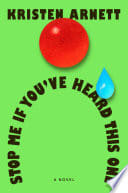
Such a Pretty Smile
Kristen Arnett
A feminist horror novel exploring mother-daughter relationships and societal violence against women. The narrative blends psychological horror with dark social commentary. Arnett uses horror as a mechanism to examine gender dynamics and generational trauma. The book demonstrates horror's power to critique social structures.
80%
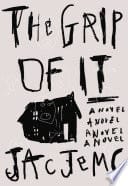
The Grip of It
Jac Jemc
A psychological horror novel about a couple experiencing increasingly bizarre haunting in their new home. The book explores marital tension, psychological breakdown, and supernatural uncertainty. Jemc uses horror to examine intimate relationship dynamics. The narrative demonstrates horror's potential for psychological complexity.
No account connected — sign in to comment.