
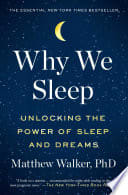
“Why We Sleep is an important and fascinating book…Walker taught me a lot about this basic activity that every person on Earth needs. I suspect his book will do the same for you.” —Bill Gates A New York Times bestseller and international sensation, this “stimulating and important book” (Financial Times) is a fascinating dive into the purpose and power of slumber. With two appearances on CBS This Morning and Fresh Air's most popular interview of 2017, Matthew Walker has made abundantly clear that sleep is one of the most important but least understood aspects of our life. Until very recently, science had no answer to the question of why we sleep, or what good it served, or why we suffer such devastating health consequences when it is absent. Compared to the other basic drives in life—eating, drinking, and reproducing—the purpose of sleep remains more elusive. Within the brain, sleep enriches a diversity of functions, including our ability to learn, memorize, and make logical decisions. It recalibrates our emotions, restocks our immune system, fine-tunes our metabolism, and regulates our appetite. Dreaming creates a virtual reality space in which the brain melds past and present knowledge, inspiring creativity. In this “compelling and utterly convincing” (The Sunday Times) book, preeminent neuroscientist and sleep expert Matthew Walker provides a revolutionary exploration of sleep, examining how it affects every aspect of our physical and mental well-being. Charting the most cutting-edge scientific breakthroughs, and marshalling his decades of research and clinical practice, Walker explains how we can harness sleep to improve learning, mood and energy levels, regulate hormones, prevent cancer, Alzheimer’s and diabetes, slow the effects of aging, and increase longevity. He also provides actionable steps towards getting a better night’s sleep every night. Clear-eyed, fascinating, and accessible, Why We Sleep is a crucial and illuminating book. Written with the precision of Atul Gawande, Andrew Solomon, and Sherwin Nuland, it is “recommended for night-table reading in the most pragmatic sense” (The New York Times Book Review).
Average Rating
Informations
About the author
Matthew Walker
Author
Matthew Walker may refer to:
Why We Sleep
by Matthew Walker
Books Like Why We Sleep
If you're looking for books similar to Why We Sleep, here are some recommendations based on themes, tone, and narrative style.
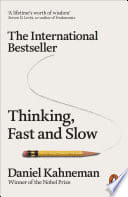
Thinking, Fast and Slow
Daniel Kahneman
A groundbreaking examination of human cognitive processes that parallels Walker's scientific approach to understanding human behavior. Kahneman explores how our brain makes decisions, revealing the intricate mechanisms of thought and perception. The book offers deep insights into psychological functioning, similar to Walker's exploration of sleep's impact on mental processes. It combines rigorous research with compelling storytelling to explain complex neurological concepts.
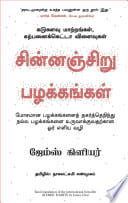
Atomic Habits
James Clear
A practical guide to behavior change that aligns with Walker's focus on improving personal health and well-being. Clear explores how small habits can lead to significant life transformations, offering strategies for personal improvement. The book provides actionable advice for developing positive routines, similar to Walker's approach to sleep optimization. It combines psychological research with practical, implementable strategies.
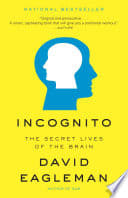
Incognito
David Eagleman
A fascinating exploration of the unconscious mind that complements Walker's scientific approach to understanding human biology. Eagleman delves into the hidden processes of the brain, revealing the complexity of human consciousness. The book combines neuroscience research with compelling storytelling, making complex concepts accessible. It offers insights into brain function similar to Walker's exploration of sleep.
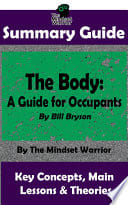
The Body: A Guide for Occupants
Bill Bryson
A comprehensive exploration of human anatomy and physiology that shares Walker's scientific curiosity and accessible writing style. Bryson breaks down complex biological concepts into engaging narratives, offering readers a deep understanding of how the human body functions. The book combines scientific research with fascinating anecdotes, making complex medical information approachable and entertaining. Like Walker, Bryson uses humor and clarity to demystify scientific topics.
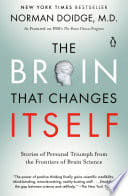
The Brain That Changes Itself
Norman Doidge
A groundbreaking exploration of neuroplasticity that shares Walker's scientific curiosity about human biology. Doidge reveals how the brain can reorganize and adapt, offering hope and understanding about cognitive functioning. The book combines scientific research with compelling human stories, making complex neurological concepts accessible. It provides insights into brain function similar to Walker's approach to understanding sleep.
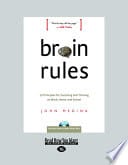
Brain Rules
John Medina
A scientific exploration of brain function that complements Walker's approach to understanding human physiology. Medina breaks down how the brain works, offering insights into learning, memory, and cognitive performance. The book provides practical strategies for optimizing brain health, much like Walker's recommendations for sleep. It combines neuroscience research with accessible explanations of complex biological processes.
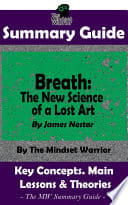
Breath
James Nestor
An in-depth exploration of human breathing that mirrors Walker's scientific approach to understanding bodily functions. Nestor investigates the science of breathing, revealing its profound impact on health and well-being. The book combines scientific research with personal exploration, offering insights into a fundamental biological process. Like Walker, Nestor makes complex scientific information accessible and engaging.
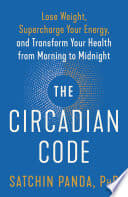
The Circadian Code
Satchin Panda
A scientific exploration of biological rhythms that directly relates to Walker's work on sleep and human health. Panda examines how timing affects various bodily functions, offering insights into optimal health and performance. The book provides practical strategies for aligning daily activities with biological rhythms. It shares Walker's approach to understanding the profound impact of biological processes.
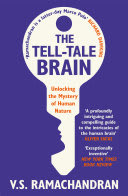
The Tell-Tale Brain
V.S. Ramachandran
A fascinating exploration of neuroscience that shares Walker's scientific depth and curiosity about human biology. Ramachandran delves into the mysteries of brain function, offering insights into consciousness, perception, and neurological processes. The book combines cutting-edge research with compelling storytelling, much like Walker's approach to explaining complex scientific concepts. It provides a deep dive into how the human brain works and adapts.
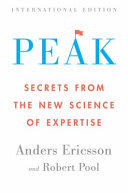
Peak
Anders Ericsson
A scientific exploration of human performance and potential that complements Walker's approach to understanding human capabilities. Ericsson examines how experts develop their skills, offering insights into learning and cognitive development. The book provides strategies for improving performance, similar to Walker's recommendations for optimizing health. It combines rigorous research with practical insights.
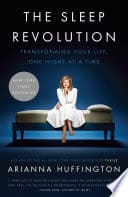
The Sleep Revolution
Arianna Huffington
A comprehensive examination of sleep's importance in modern life that aligns with Walker's scientific approach. Huffington explores the cultural and personal dimensions of sleep, offering insights into its critical role in health and productivity. The book provides practical strategies for improving sleep and overall well-being. It shares Walker's commitment to understanding and improving sleep habits.
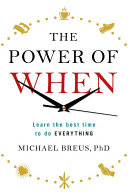
The Power of When
Michael Breus
A detailed exploration of biological rhythms and optimal timing that directly relates to Walker's work on sleep. Breus examines how timing affects human performance, offering insights into circadian rhythms and personal productivity. The book provides practical strategies for aligning daily activities with biological cycles. It shares Walker's scientific approach to understanding human physiology and performance.
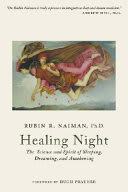
Healing Night
Rubin Naiman
A holistic exploration of sleep and its healing potential that complements Walker's scientific approach. Naiman examines sleep from both scientific and holistic perspectives, offering insights into its psychological and physiological importance. The book provides a comprehensive understanding of sleep's role in health and well-being. It shares Walker's commitment to understanding the profound impact of sleep.
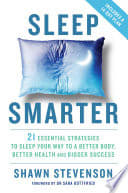
Sleep Smarter
Shawn Stevenson
A practical guide to improving sleep that complements Walker's scientific approach to understanding sleep's importance. Stevenson offers actionable strategies for optimizing sleep and overall health, combining scientific research with practical advice. The book provides insights into how sleep affects various aspects of life, similar to Walker's comprehensive approach. It offers practical strategies for improving sleep quality.
No account connected — sign in to comment.