
In 1880 Dostoevsky completed The Brothers Karamazov, the literary effort for which he had been preparing all his life. Compelling, profound, complex, it is the story of a patricide and of the four sons who each had a motive for murder: Dmitry, the sensualist, Ivan, the intellectual; Alyosha, the mystic; and twisted, cunning Smerdyakov, the bastard child. Frequently lurid, nightmarish, always brilliant, the novel plunges the reader into a sordid love triangle, a pathological obsession, and a gripping courtroom drama. But throughout the whole, Dostoevsky searhes for the truth--about man, about life, about the existence of God. A terrifying answer to man's eternal questions, this monumental work remains the crowning achievement of perhaps the finest novelist of all time. From the Paperback edition.

Average Rating
Informations
About the author
Fyodor Dostoevsky
Author
Fyodor Mikhailovich Dostoevsky was a Russian novelist, short story writer, essayist and journalist. He is regarded as one of the greatest novelists in both Russian and world literature, and many of his works are considered highly influential masterpieces. Dostoevsky's literary works explore the human condition in the troubled political, social and spiritual atmospheres of 19th-century Russia, and engage with a variety of philosophical and religious themes. His most acclaimed novels include Crime and Punishment (1866), The Idiot (1869), Demons (1872), The Adolescent (1875) and The Brothers Karamazov (1880). His Notes from Underground, a novella published in 1864, is considered one of the first works of existentialist literature.
Brothers Karamazov
by Fyodor Dostoevsky
Books Like Brothers Karamazov
If you're looking for books similar to Brothers Karamazov, here are some recommendations based on themes, tone, and narrative style.

Crime and Punishment
Fyodor Dostoevsky
Another profound psychological exploration by Dostoevsky, this novel delves into the moral and philosophical struggles of Raskolnikov, a poor ex-student who commits murder. The book examines the psychological torment of guilt, redemption, and moral responsibility. Like The Brothers Karamazov, it offers a deep philosophical investigation of human nature, morality, and spiritual transformation.
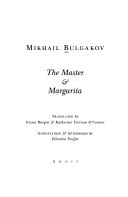
The Master and Margarita
Mikhail Bulgakov
A complex, philosophical novel that blends supernatural elements with deep psychological exploration. Like The Brothers Karamazov, it examines moral and spiritual questions through intricate storytelling. The book challenges societal norms and explores themes of good, evil, and human nature.
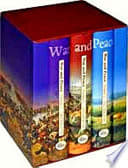
War and Peace
Leo Tolstoy
A monumental Russian novel that, like The Brothers Karamazov, explores complex philosophical and moral questions. The book follows several aristocratic families during the Napoleonic Era, examining human nature, free will, and historical determinism. Tolstoy's intricate character studies and profound philosophical reflections make it a natural companion to Dostoevsky's work.
Anna Karenina
Leo Tolstoy
A complex novel exploring moral dilemmas, family dynamics, and personal transformation. Like The Brothers Karamazov, it offers a deep psychological portrait of its characters and their moral struggles. The book examines love, marriage, social conventions, and individual moral choices with remarkable psychological insight.

The Idiot
Fyodor Dostoevsky
Another Dostoevsky novel exploring moral and spiritual themes through complex characters. The story follows Prince Myshkin, a pure-hearted individual navigating a corrupt society. Like The Brothers Karamazov, it examines the conflict between idealism and human nature.
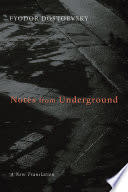
Notes from Underground
Fyodor Dostoevsky
A shorter but intensely philosophical work that shares Dostoevsky's characteristic psychological depth. The novel presents a bitter, isolated narrator who challenges rational thought and societal norms. It explores themes of free will, human irrationality, and existential angst, making it a thematically similar work to The Brothers Karamazov.
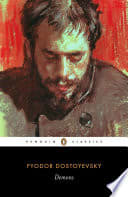
Demons
Fyodor Dostoevsky
Another Dostoevsky novel that explores philosophical and political themes through complex characters. The book examines revolutionary politics, nihilism, and moral decay in 19th-century Russian society. Its psychological complexity and philosophical depth make it similar to The Brothers Karamazov.

Fathers and Sons
Ivan Turgenev
A novel exploring generational conflict and philosophical ideas, similar to The Brothers Karamazov. The book examines the clash between traditional values and emerging nihilistic philosophy. It offers a nuanced exploration of social change and individual moral choices.

A Hero of Our Time
Mikhail Lermontov
A novel exploring the psychological complexity of its protagonist, similar to Dostoevsky's characters. The book offers a critical examination of Russian society and individual moral choices. Its psychological depth and philosophical reflections echo The Brothers Karamazov.
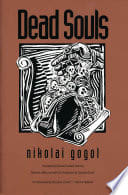
Dead Souls
Nikolai Gogol
A satirical novel that, like The Brothers Karamazov, offers a profound critique of Russian society. The book follows Chichikov, who attempts to purchase dead serfs to exploit a legal loophole. It provides a sharp, philosophical examination of human nature and social corruption.

Eugene Onegin
Alexander Pushkin
A novel in verse that, like The Brothers Karamazov, offers a deep psychological portrait of Russian society. The book explores themes of love, social conventions, and personal growth. Its nuanced character study and philosophical undertones make it a compelling recommendation.

White Nights
Fyodor Dostoevsky
A shorter work that shares Dostoevsky's characteristic psychological depth. The novella explores themes of loneliness, love, and human connection. Its intimate character study and emotional complexity make it a natural companion to The Brothers Karamazov.
No account connected — sign in to comment.