
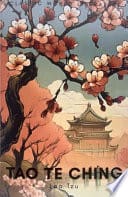
Dating for around 300 BC, this is an early work of the Chinese school of philosophy called Taoism. It offers a complete view of the cosmos and how human beings should respond to it. It has mystical insight into the nature of things and forms a basis for a humane morality and political utopia.
4.7/5
Average Rating
Informations
Genre
Body, Mind & Spirit
Published07 mai 1996
Recommendations14
About the author
Laozi
Author
Laozi, also romanized as Lao Tzu among other ways, was a legendary Chinese philosopher and author of the Tao Te Ching (Laozi), one of the foundational texts of Taoism alongside the Zhuangzi. The name, literally meaning 'Old Master', was likely intended to portray an archaic anonymity that could converse with Confucianism. Modern scholarship generally regards his biographical details as later inventions, and his opus a collaboration. Traditional accounts addend him as Li Er, born in the 6th-century BC state of Chu during China's Spring and Autumn period. Serving as the royal archivist for the Zhou court at Wangcheng, he met and impressed Confucius on one occasion, composing the Tao Te Ching in a single session before retiring into the western wilderness.
Tao Te Ching
by Laozi
Body, Mind & Spirit
Books Like Tao Te Ching
If you're looking for books similar to Tao Te Ching, here are some recommendations based on themes, tone, and narrative style.
Top 1
94%
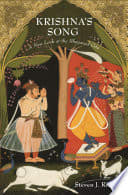
Bhagavad Gita
Krishna
A foundational Hindu text exploring spiritual wisdom and personal duty. The text provides philosophical insights about action, detachment, and cosmic order. Its exploration of inner peace and spiritual understanding parallels the Tao Te Ching's philosophical approach. The book offers deep insights into human nature and spiritual transformation.
Top 2
92%
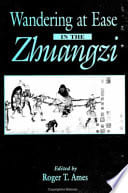
Zhuangzi
Zhuangzi
A classic Taoist text that explores philosophical concepts through poetic and often humorous parables. The work challenges conventional thinking and emphasizes spontaneity and natural action. It provides deep insights into the Taoist worldview and complements the Tao Te Ching's philosophical teachings. The text offers a unique perspective on human nature and cosmic harmony.
Top 3
92%
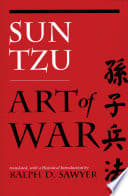
The Art of War
Sun Tzu
An ancient Chinese text about strategy that shares philosophical roots with Taoism. Sun Tzu emphasizes understanding natural principles, adaptability, and minimal conflict. The book provides insights into strategic thinking that reflect Taoist concepts of harmony and non-resistance. Its philosophical approach complements the Tao Te Ching's wisdom about balance and natural order.
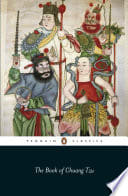
92%
The Book of Chuang Tzu
Zhuangzi
A classic Taoist text offering philosophical parables and insights. The book explores spontaneity, freedom, and the nature of reality through poetic narratives. It provides deep philosophical perspectives that directly complement the Tao Te Ching. The text challenges conventional thinking and emphasizes natural harmony and personal transformation.
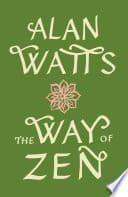
90%
The Way of Zen
Alan Watts
A profound exploration of Eastern philosophy that bridges Zen Buddhism and Taoism. Watts explains the fundamental principles of Zen and its philosophical roots with clarity and depth. The book offers insights into meditation, consciousness, and the nature of reality. It provides a Western perspective on Eastern spiritual practices that complements the Tao Te Ching's philosophical approach.
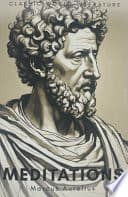
90%
Meditations
Marcus Aurelius
A Stoic philosophical work exploring personal ethics and inner peace. Aurelius reflects on self-discipline, acceptance, and living in harmony with universal principles. The book shares philosophical depth with the Tao Te Ching, emphasizing personal transformation and understanding one's place in the cosmos. Its meditative approach provides Western philosophical parallels to Taoist thought.
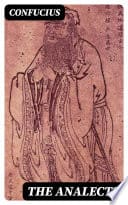
90%
The Analects
Confucius
A collection of philosophical teachings about social harmony and personal cultivation. Confucius explores ethical behavior, personal development, and societal relationships. The text provides complementary philosophical perspectives to Taoist thought. Its emphasis on wisdom and personal growth resonates with the Tao Te Ching's philosophical insights.
88%
The Book of Five Rings
Miyamoto Musashi
A Japanese strategy text that shares philosophical principles with Taoist thought. Musashi explores strategy, self-discipline, and understanding of natural principles. The book emphasizes adaptability, mindfulness, and harmony with one's environment. Its philosophical approach resonates with the Tao Te Ching's insights into balance and natural order.
88%
The Prophet
Kahlil Gibran
A poetic philosophical work exploring life's fundamental principles. Gibran offers profound insights into love, freedom, and human experience through lyrical prose. The book's spiritual and philosophical approach resonates with the Tao Te Ching's contemplative style. It provides universal wisdom about human nature and cosmic interconnectedness.
88%
The Alchemist
Paulo Coelho
A philosophical novel about personal journey and universal interconnectedness. Coelho explores themes of destiny, personal transformation, and spiritual awakening. The book's mystical approach and emphasis on following one's path resonate with Taoist principles. It offers insights into personal growth and understanding life's deeper meanings.
88%
Zen and the Art of Motorcycle Maintenance
Robert M. Pirsig
A philosophical exploration of quality, perception, and personal understanding. Pirsig blends Eastern and Western philosophical perspectives through a narrative journey. The book explores consciousness, rationality, and deeper meanings of experience. Its contemplative approach and philosophical depth resonate with the Tao Te Ching's insights.
86%
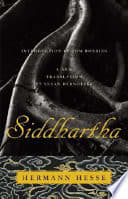
Siddhartha
Hermann Hesse
A philosophical novel exploring spiritual awakening and self-discovery. The protagonist's journey reflects many Taoist principles of finding inner peace and understanding. Hesse explores the nature of wisdom, personal transformation, and connection with the universal flow. The book's meditative approach and philosophical depth align with the Tao Te Ching's spiritual insights.
86%
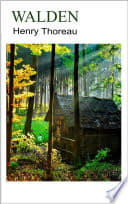
Walden
Henry David Thoreau
A philosophical reflection on simple living and connection with nature. Thoreau explores self-reliance, minimalism, and spiritual awareness through personal experience. The book's contemplative approach and emphasis on natural principles align with Taoist philosophy. It provides a Western perspective on living in harmony with one's environment.
86%
Siddhartha
Hermann Hesse
A philosophical novel exploring spiritual awakening and self-discovery. The protagonist's journey reflects many Taoist principles of finding inner peace and understanding. Hesse explores the nature of wisdom, personal transformation, and connection with the universal flow. The book's meditative approach and philosophical depth align with the Tao Te Ching's spiritual insights.
No account connected — sign in to comment.